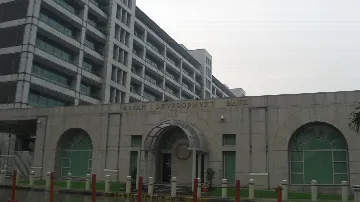
The Asian Development Bank (ADB) has approved a $200 million loan to help Sri Lanka strengthen micro, small and medium-sized enterprises (MSMEs), the bank announced in Colombo on Friday, 20 November.
ADB said the loan aims to expand access to inclusive finance, reduce credit information gaps and build resilience to shocks.
How the package is structured
The financing consists of a $100 million policy-based loan to improve the financial ecosystem for MSMEs and a $100 million financial intermediation loan to expand access to investment loans for MSMEs. The second part includes $40 million for green loans, according to ADB.
The programme, titled Building a Strong and Inclusive Financial Ecosystem for MSMEs Sector Development Program, will focus on expanding financial inclusion through greater digitalisation, improving equitable access to information for MSMEs, formalising institutional processes and improving financial literacy, the bank said.
It will support legal reforms to establish the Microfinance and Credit Regulatory Authority, improve oversight and reduce predatory lending, strengthen credit information systems, expand credit guarantees, and advance digital financial infrastructure and consumer protection.
Green finance and women entrepreneurs
Participating financial institutions will provide credit lines to expand green financing for MSMEs engaged in environmentally sustainable investments and activities. ADB said the programme will help MSMEs, at least 20% of which are owned or led by women, invest in measures to mitigate and adapt to shocks related to the changing climate. It will also support new ways for growth-stage SMEs to access equity financing.
ADB Country Director for Sri Lanka Shannon Cowlin said the programme "will help the Government of Sri Lanka build a stronger, more inclusive financial ecosystem that enables MSMEs to grow, innovate, and withstand economic shocks".
Why MSMEs matter
According to ADB, MSMEs contribute more than 52% of Sri Lanka's gross domestic product and 45% of overall employment. The bank said they continue to face limited access to finance, low levels of digitalisation and vulnerability to shocks, including disasters related to the changing climate.
This is general information, not financial advice.